Buying directly from a factory: what to establish
Contacting a manufacturer does not mean every buyer can immediately place an order. A factory or regional brand business may serve specific sales channels and territories, with its own volume requirements. A smaller distributor should first establish the minimum order, available products, account-opening conditions and whether supply to the intended country is possible.
There is no universal minimum volume for every Coca-Cola factory or every energy drink manufacturer. Ask the actual selling entity for its terms. Direct purchasing can suit a regular, high-volume requirement for one format; a wholesale supplier already sourcing from the manufacturer may be a better fit for a smaller, more varied order.
When a wholesale supplier is the better fit
If you need Coca-Cola, Sprite, Fanta and several Monster flavours, compare the whole purchasing process, not just the goods price. One supplier may coordinate the assortment, packaging, paperwork and transport within a single quotation. The ability to ship different items together must still be confirmed rather than assumed.
For wholesale energy drinks, the exact flavour, market version and availability matter. For bulk soft drinks, check the can or bottle format, case count and pallet configuration. A supplier with direct factory sourcing adds value when it can document the supply chain and confirm the specifications of the goods actually offered.

Genuine goods, EU manufacture and official status are different questions
Genuine products, EU-manufactured products and official distributor status are not the same thing. An authentic drink may have been manufactured outside the EU. Dispatch from a European warehouse does not, by itself, establish EU production either. When sourcing Coca-Cola wholesale from the EU, ask about the particular goods, not just the warehouse address.
A factory invoice or manufacturer contract may substantiate a purchasing relationship without granting exclusive brand rights or permission to sell in every country. If a seller claims to be an official distributor, request manufacturer-issued confirmation and check the brands, territory and validity it covers. There is no universal beverage ‘authenticity licence’ that replaces these checks.
Which records to request before agreeing an order
Start with the seller’s company details, quotation and product specification: full product name, volume, packaging, units per case and pallet, barcode and stated manufacturing country. Request current label photographs showing the production identifier and expiry date. Establish consistency between the selling entity in the quotation, contract and payment details.
To check direct sourcing, request manufacturer invoices or delivery notes and relevant evidence of the contractual relationship. Records should relate to the offered goods and connect them to the supply. Some commercial information may be confidential: agree in advance what can be disclosed and how the information will be verified.
Article 18 of EU Regulation 178/2002 establishes food traceability and the ability to identify suppliers and business customers. It is a useful basis for checking a supply chain, not automatic proof of authenticity, manufacturing country or official seller status. A GS1 barcode prefix does not identify the country of manufacture either, as GS1 explicitly explains.
Coca-Cola and Monster in bulk: check the exact SKU
For a bulk Monster Energy purchase, a brand name alone is not enough. Specify the flavour, can size, cans per case and required labelling. Do not apply one flavour’s packaging data to the entire range. Likewise, Coca-Cola, Sprite and Fanta can and PET bottle formats may have different pallet and truckload configurations.
Total shelf life and remaining shelf life on receipt are different measures. Before confirming the deal, agree the minimum remaining life suited to your stock turnover and route. Verify exact dates against the selected goods and record them in the agreed terms rather than inferring them from a general brand description.
What to agree for your destination market
Even genuine EU-produced drinks must be assessed against the selling market’s rules: label language, importer information, mandatory product information and packaging requirements. For cross-border supply, establish the applicable customs documents and restrictions beforehand. Factory paperwork does not replace destination-market checks.
The offer should state the Incoterm and named place, included transport costs, payment terms and responsibility for clearance. An enquiry with the destination address, SKU list and pallet quantities is more useful than a request for ‘everything available’: it lets the supplier prepare a comparable offer for an actual purchase.
How ATMFMCG approaches sourcing
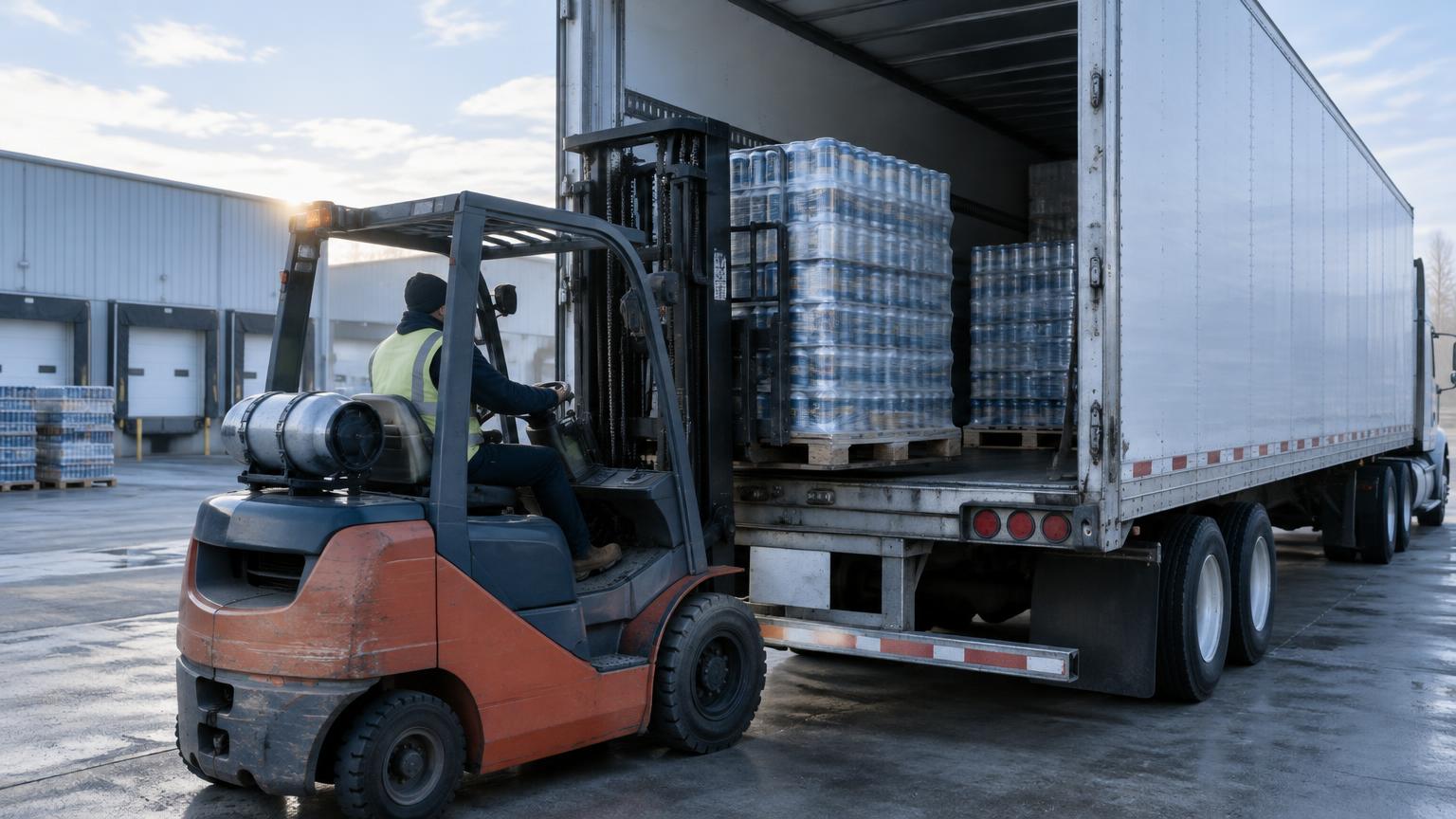
ATM Trade, operating as ATMFMCG, purchases directly from the official manufacturers of the brands it works with, including a Coca-Cola factory. Our catalogue includes EU-produced Coca-Cola, Sprite, Fanta and Monster Energy. Buyers can request supporting evidence of the sourcing chain instead of relying only on a website description.
For due diligence, we can provide factory invoices or delivery notes, a manufacturer contract and confirmation of official distributor status. The relevant documents, brand and scope of confirmation are clarified with a manager for the specific transaction; disclosure of commercial information is agreed separately. This does not imply exclusive rights or authorization to sell in every country.
If you are looking for soft drinks wholesale or energy drinks in bulk from the EU, send the required SKUs, pallet quantities, destination country and address, plus labelling and remaining shelf-life requirements. We will confirm availability and specifications, discuss supporting records and prepare an offer. Start with the catalogue or contact a manager; no registration is needed.